
"Mental health is not a 'nice to have': it is essential to the success of our company."
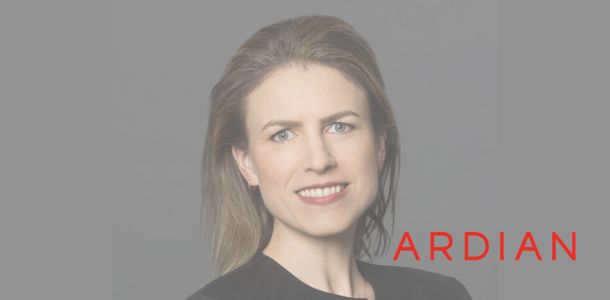
My name is Maria Stasse, and I am the Head of Human Resources at ARDIAN. ARDIAN is an international multi-asset investment fund. We have 20 offices worldwide and more than 1,080 employees globally.
How has the perception of mental health evolved at ARDIAN?
This is an issue that has certainly become more prominent since COVID. Probably because work-life balance is more difficult to achieve, and disconnecting is more complicated to implement.
We must take this issue seriously and put preventive measures in place to maintain the mental health of our employees.
Why is mental health a strategic issue for ARDIAN?
The company is a place where employees spend a lot of time. It is a place for personal development. It is therefore important for us in terms of reputation, employer branding, and talent retention to ensure that they feel good at ARDIAN.
What measures are you putting in place to raise awareness of mental health at ARDIAN?
We have implemented several measures. First of all, for several years now we have had a barometer that allows us to track this indicator. It is very important to monitor it in order to see how things are evolving.
In addition to monitoring it, we are increasingly involving our entire General Management team in this issue, so that they have a better understanding and can communicate more effectively about mental health.
We have different types of initiatives: individual initiatives and collective initiatives. These can include coaching, training, and e-learning. We also have a partnership with Holivia, which allows us to offer individualized support to certain people who want it.
So we have a range of different initiatives that allow us to address this issue.
What impact have these actions had on your teams and your management culture?
These actions have had an impact on both managers and employees, providing a better understanding of this subject and greater awareness.
Managers also feel better equipped. They can identify a problem, try to understand it better, and call on certain tools and actions more quickly. When faced with an employee for whom we identify a need for action, we are able to act much more quickly than before.
We are seeing an improvement. Several employees have been able to receive support from Holivia or benefit from other measures after being identified and discussed with HR. They express a certain satisfaction with the way we handle these situations.
Our various annual surveys also allow us to see certain indicators moving in the right direction. This is very encouraging, and we are continuing in this direction.
How do you feel about the growing importance of mental health in HR and management discussions at ARDIAN?
The fact that this topic is becoming increasingly prominent in our conversations with managers is really very positive. It is clear evidence that managers have gained a certain maturity and interest in the subject. They know how to approach it and realize how much mental health impacts our employees' performance.
So it's not just a "nice to have," it's essential to the success of our company.
For us in HR, all these discussions about mental health empower us and push us to turn this discussion into measurable actions over the long term.
What message would you like to convey to your peers or leaders?
Measure impact, track data over time. And then a second piece of advice would be that leadership must embody this issue. It is by embodying it at the highest level of the company that we can get employees on board and be convincing about how we monitor mental health in our organization.
What would be your motto for promoting mental health in the workplace?
Taking concrete action for the long term.
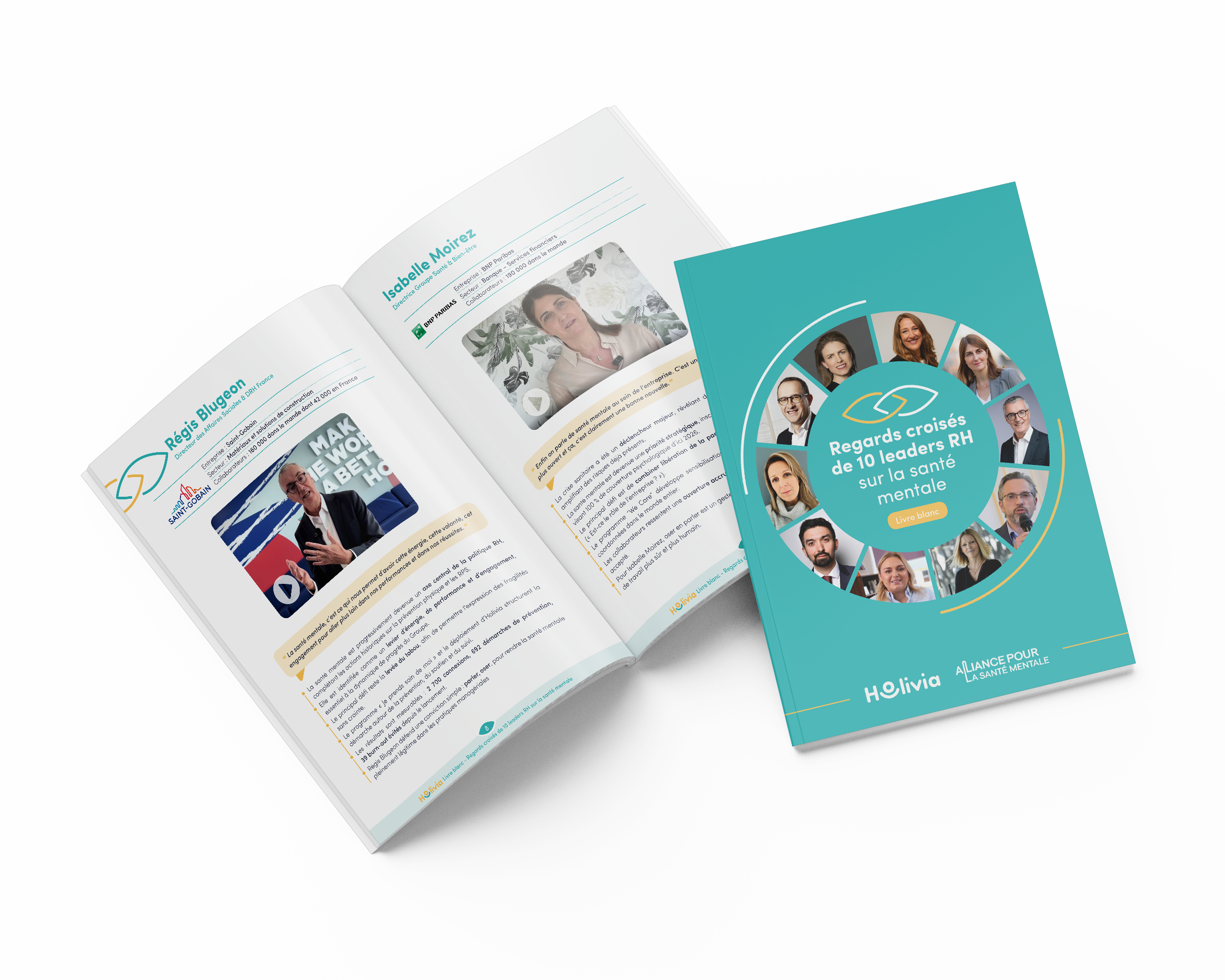
Other HR leaders shared the transformation they are bringing about in their companies. Discover the interviews conducted in 2025, the common dynamics observed, and our recommendations for action in our latest book: Perspectives from 10 HR leaders on mental health.



.png)