
"Just dare to talk about it."
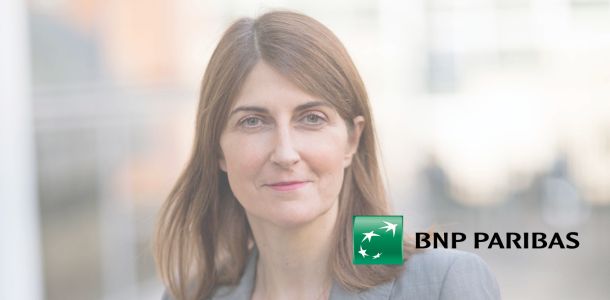
My name is Isabelle Moirez. I am Head of Health and Well-being for the Group, and I am in charge of "We Care," the health and well-being program for the BNP Paribas Group worldwide.
How has the perception of mental health evolved at BNP Paribas?
It is now taken into account. I think that's the main thing to emphasize. And the trigger was clearly the COVID crisis in 2020, which exacerbated phenomena such as isolation for many people, and also the mental health of young people, which appeared to be very fragile.
From that moment on, BNP Paribas significantly strengthened its health and well-being program and made mental health a top priority, alongside risks associated with a sedentary lifestyle. One of the strengths of our "We Care" program is its comprehensive approach, which countries adapt locally in line with their own culture and legislation, thereby fostering close relationships with employees.
Why is mental health a strategic issue for BNP Paribas?
For several reasons. The first is that having employees who are doing well, who have a well-managed mental load and good mental health, is good for them, for their well-being, and it is a factor in the company's efficiency.
The main challenge for organizations is that mental health is a sensitive topic to address.
In this period of rapid change and fragmentation, it is essential that all our employees who need support, or managers who want assistance in dealing with complex situations, are aware of the "We Care" program.
What measures are you putting in place to raise awareness of mental health at BNP Paribas?
We first chose to include mental health in a company agreement signed globally with our social partners. The goal is for 100% of our employees, everywhere in the world, to be able to benefit from psychological support and counseling. Today, that rate stands at 98%.
Several prevention and awareness-raising initiatives are also being carried out:
- Physical and digital health assessments that cover the spectrum of mental health;
- We Care Days, which combine conferences, workshops, and webinars;
- An international conference on managing emotions in times of global conflict and uncertainty;
- A support kit for people with long-term illnesses.
What impact have these actions had on your teams and your management culture?
There is already a form of freedom of speech. Finally, we are talking about mental health within the company. It's a subject that is becoming a little more open. So that's clearly good news.
The downside is that employees are asking themselves, "But why is the company interested in this topic? Is that really its role? Isn't this ultimately a personal matter?"
We need to combine these two aspects, and that's the whole challenge of this issue.
How do you feel about the growing importance of mental health in HR and management discussions at BNP Paribas?
I'm very happy that mental health is being talked about today, that it's becoming a more open topic. It's encouraging and also a relief, because in the past it was as if we weren't allowed to talk about it.
And I also see it as a form of corporate responsibility to address it and take it into consideration for employees.
What message would you like to convey to your peers or leaders?
To dare to talk about it, to dare to speak freely. We realize the benefits of opening up certain topics. When it comes to mental health, there is a clear need to go for it and not be afraid.
What would be your motto for promoting mental health in the workplace?
Just go for it.
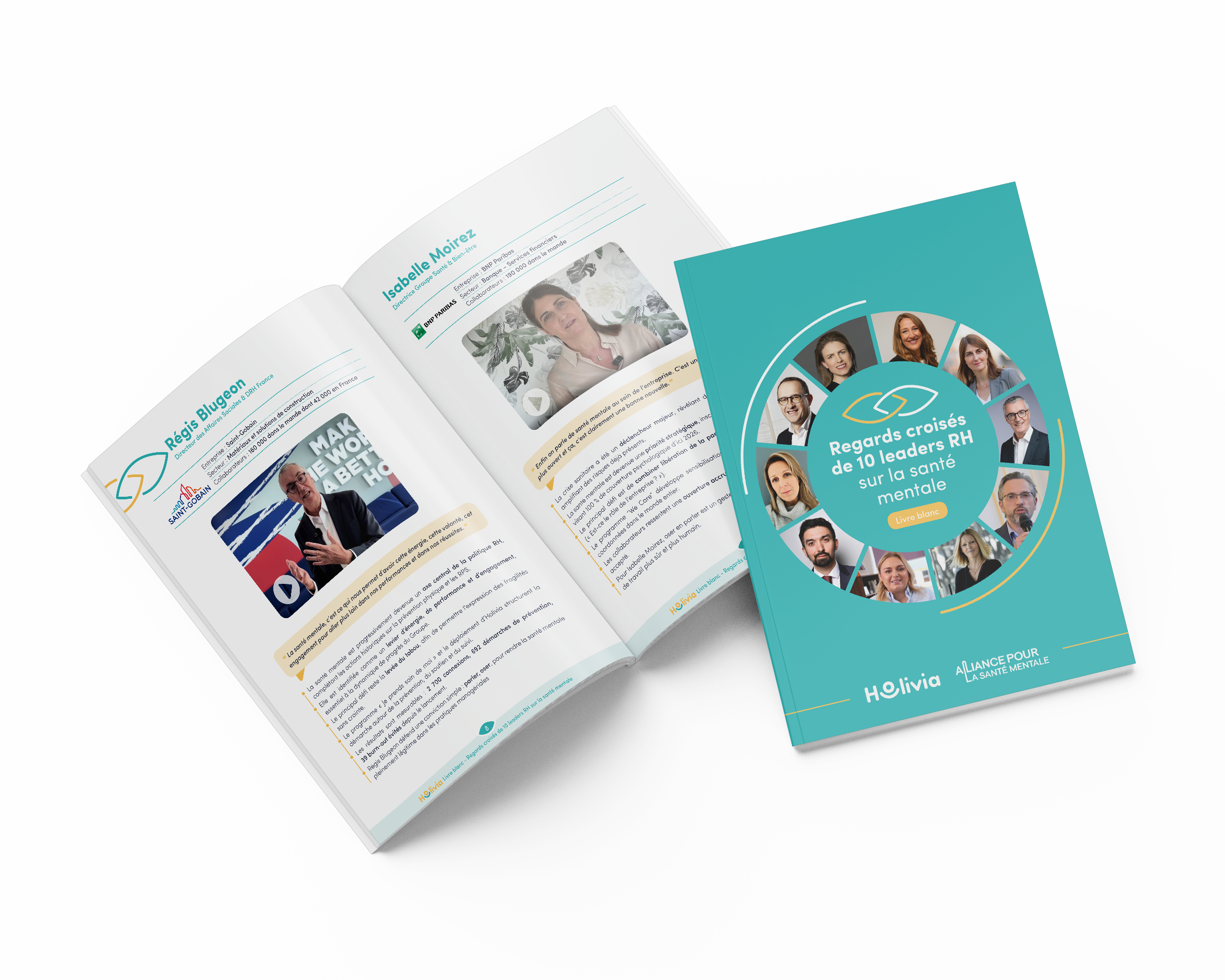
Other HR leaders shared the transformation they are bringing about in their companies. Discover the interviews conducted in 2025, the common dynamics observed, and our recommendations for action in our latest book: Perspectives from 10 HR leaders on mental health.








.png)