"Taking care of yourself and your team is a leadership skill in its own right."
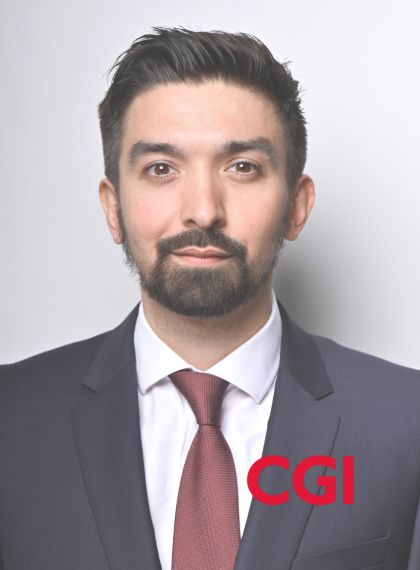
I am Massimo Genuardi, Quality of Life and Working Conditions Manager at CGI, a global leader in digital services with more than 93,000 employees worldwide.
How has the perception of mental health evolved at CGI?
I would say that mental health in the workplace is no longer a taboo subject today. It is recognized as an essential component for individuals and for collective performance.
At CGI, with the Oxygène center of expertise, we have been developing a culture of health and well-being at work for over 20 years. For us, mental health in the workplace means taking care of ourselves and those around us. It is this more human and collective approach that makes all the difference.
Why is mental health a strategic issue for CGI?
Mental health is a strategic issue because it directly affects the ability of individuals and teams to adapt to numerous changes, whether organizational, cultural, or technological.
The challenge today is no longer really how others view us: they have become more understanding, more tolerant, and more attentive. The real challenge today is individual: accepting that we are going through a period of fragility, that we are experiencing a form of vulnerability, and daring to ask for help. And that is still difficult.
This is where companies can play a decisive role, by creating a climate of trust, promoting a sense of psychological security, and facilitating access to resources.
What actions are you taking to strengthen mental health awareness at CGI?
We also offer "My Help Program," an employee assistance program that allows each of our employees to receive psychological support seven days a week, 24 hours a day, completely free of charge.
We also train all our managers in "Responsible and Respectful Management," which includes a section on psychosocial risk prevention.
Throughout the year, we hold special events, conferences, workshops, and other activities that keep mental health on the agenda all year round, not just in times of crisis.
What impact have these actions had on your teams and your management culture?
They have generated more dialogue, more trust, and more engagement. These are real impacts on collective performance, and they are sustainable.
Teams perceive that CGI cares about their health, and this reinforces their pride in belonging.
On the management side, we are seeing a real cultural change: listening and recognition are becoming genuine reflexes. That is the sign of sustainable performance.
How do you feel about the growing importance of mental health in HR and management discussions at CGI?
For HR, this is a truly positive revolution. Mental health is at the heart of HR and managerial conversations. We are no longer simply risk managers. We are true strategic players in prevention.
We are sending a clear message to managers: "Taking care of yourself and your team is a leadership skill in its own right."
What message would you like to convey to your peers or leaders?
Mental health is a prerequisite for collective success. We cannot have a high-performing and resilient organization if our employees are not themselves high-performing and resilient.
Investing in mental health means investing in the future, in innovation, and in team loyalty and cohesion.
What would be your motto for promoting mental health in the workplace?
If I had one word to give: let's talk about it.
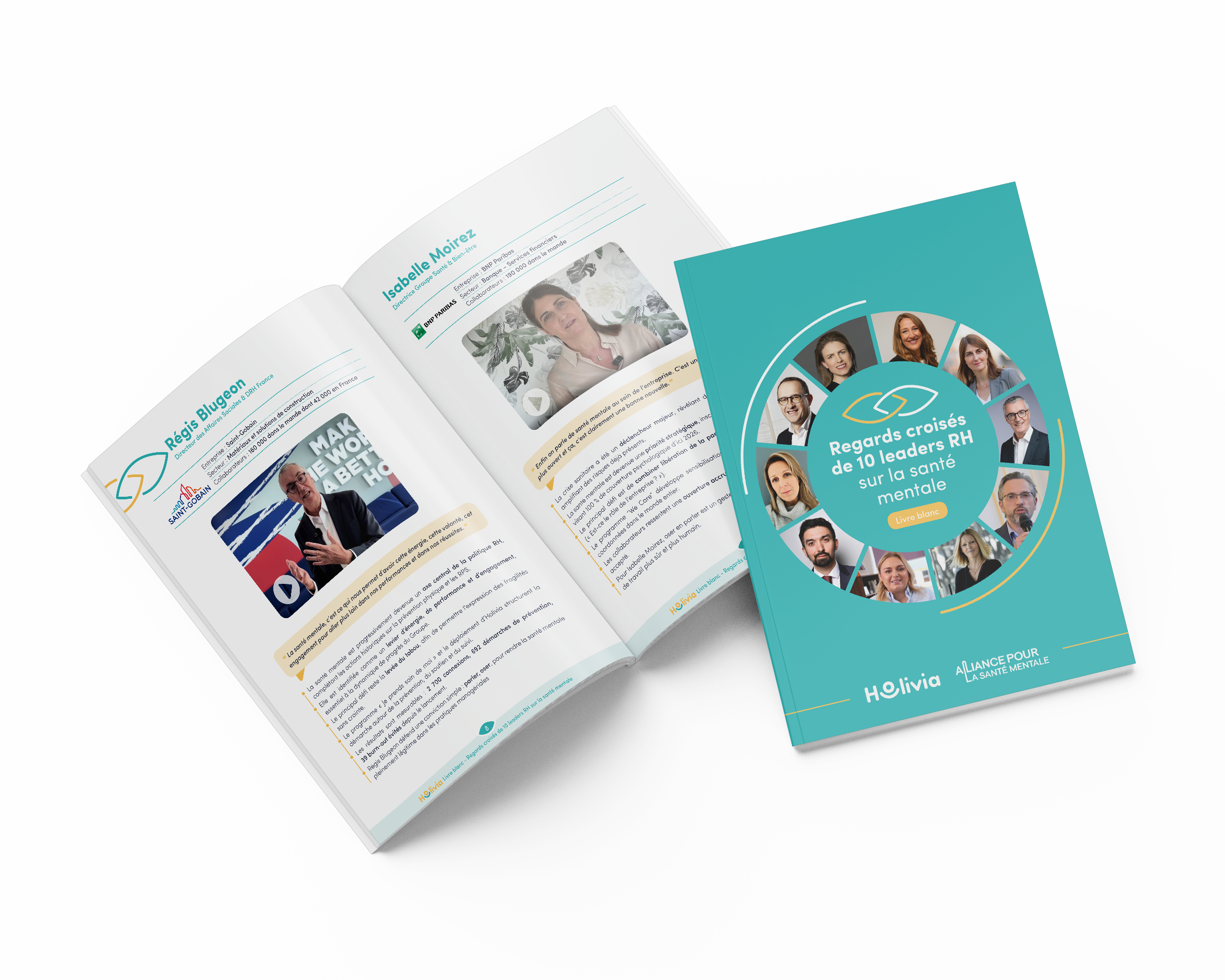
Other HR leaders shared the transformation they are bringing about in their companies. Discover the interviews conducted in 2025, the common dynamics observed, and our recommendations for action in our latest book: Perspectives from 10 HR leaders on mental health.






.png)