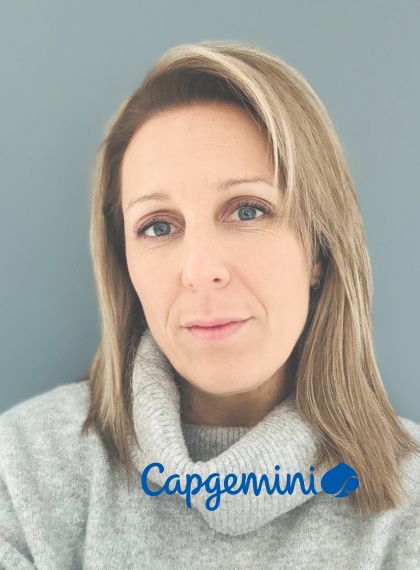
« La santé est l’affaire de tous. »
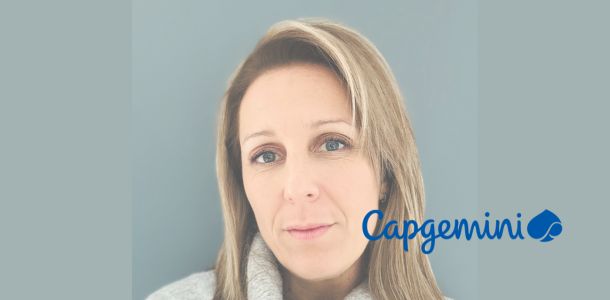
Je suis Anne-Sophie Duval. Je suis en charge, au sein de Capgemini, du Centre de compétences Future of Work. Capgemini est une entreprise de services numériques et leader mondial dans son domaine. Elle représente aujourd’hui, en France, environ 35 000 collaborateurs et accompagne les entreprises à se transformer, en apportant une expertise tant sur l’innovation, la recherche et le développement que sur les nouvelles technologies.
Comment la perception de la santé mentale a-t-elle évolué chez Capgemini ?
La santé mentale est un sujet qui était déjà au cœur des entreprises et de notre organisation depuis un certain nombre d’années. Ceci étant, on a vraiment constaté une évolution de la prise en compte de ce sujet depuis la crise sanitaire. Il y a vraiment eu un avant et un après crise sanitaire, qui a exacerbé certains risques et en a même provoqué de nouveaux, faisant de la santé mentale un réel enjeu au sein des entreprises.
Au sein de Capgemini, cela se traduit au fil des ans par un étoffement de nos dispositifs de prévention, mais surtout par la reconnaissance que la prévention est un axe essentiel pour prévenir les risques psychosociaux dans l’entreprise.
Pourquoi la santé mentale est-elle un enjeu stratégique pour Capgemini ?
La santé mentale est un enjeu majeur pour les RH, car elle touche directement à la performance, à la fidélisation des talents et à la qualité du climat social. Dans un contexte de transformation continue, de télétravail régulier et d’enjeux professionnels en constante évolution, les collaborateurs peuvent être de plus en plus exposés aux risques psychosociaux.
L’objectif des ressources humaines est donc d’anticiper, de prévenir le plus tôt possible les risques psychosociaux, et de créer un environnement de travail sain, inclusif et bienveillant.
C’est stratégique, parce qu’un collaborateur en bonne santé mentale est un collaborateur plus engagé et plus créatif. Les risques psychosociaux peuvent, eux, entraîner une augmentation de l’absentéisme, un désengagement des équipes, voire un impact sur l’attractivité et la rétention des talents. Et aujourd’hui, les collaborateurs ne cherchent plus uniquement un métier et une rémunération, mais aussi un environnement de travail bienveillant, sain et inclusif.
Quelles actions mettez-vous en place pour renforcer la prise en compte de la santé mentale chez Capgemini ?
Cela fait de nombreuses années qu’au sein de Capgemini, nous déployons des dispositifs pour aider les collaborateurs à prendre soin de leur santé physique et mentale. Cela passe par un ensemble d’actions, notamment :
- des formations autour de la santé mentale pour l'ensemble des collaborateurs ;
- des formations ciblées, déployées cette année pour les managers, afin de les outiller sur la prise en charge de situations difficiles ;
- des événements de sensibilisation, par exemple sur le burn-out ou les addictions.
Nous avons également une plateforme, le Wellbeing Hub, une plateforme groupe qui met à disposition des collaborateurs un ensemble de contenus autour de la santé et du bien-être.
Nous avons aussi choisi d’adopter un axe moins tourné vers le risque, et plus vers la prise en charge globale de sa santé, avec un volet plus positif autour du sport, puisqu’on sait que quelqu’un en bonne santé physique bénéficie aussi d’un impact positif sur sa santé mentale. Nous déployons donc un partenariat avec une application de challenges sportifs, qui nous permet de personnaliser les parcours et de créer de la cohésion dans les équipes.
Nous travaillons également régulièrement avec nos organisations syndicales, en déployant des actions paritaires autour de la qualité de vie au travail et notamment de la santé mentale.
Enfin, plus globalement, au niveau du groupe, il peut y avoir des sensibilisations à l'échelle mondiale, déployées à l’ensemble du groupe, et, dernièrement, la création du service Future of Work dans les pays du groupe, qui a notamment pour objectif de déployer toutes les initiatives bien-être au sein des pays.
Quel impact ces actions ont-elles eu sur vos équipes et votre culture managériale ?
Elles ont eu un réel impact sur la culture de la prévention et sur la cohésion d'équipe.
Nous travaillons aussi beaucoup à faire percevoir la santé mentale comme un enjeu de performance, de croissance et un enjeu stratégique.
Nous mesurons l'impact de nos actions en suivant différents indicateurs, tels que les indicateurs d'absentéisme ou encore un baromètre mensuel qui adresse notamment le sujet du bien-être dans l'entreprise. Ce baromètre nous permet de suivre son évolution et de prendre en considération les remarques et commentaires des collaborateurs sur les dispositifs que nous déployons.
Comment vivez-vous la place croissante de la santé mentale dans les conversations RH et managériales chez Capgemini ?
Je suis ravie que la santé mentale prenne davantage de place dans les conversations RH et managériales. Cela signifie que de plus en plus de personnes sont conscientes de l’intérêt d’avoir des collaborateurs en bonne santé mentale dans l’entreprise.
Cela montre aussi que ce n’est plus un signe de faiblesse et que chacun est en capacité d’en parler et de partager ses difficultés.
Quel message souhaitez-vous passer à vos pairs ou aux dirigeants ?
Si j’avais un message à faire passer, ce serait de percevoir la santé mentale comme un enjeu de croissance. Nos actions ne sont pas uniquement bienveillantes, elles sont stratégiques et permettent de transformer durablement la culture managériale et la capacité à innover.
Nos initiatives permettent de changer la culture : on parle plus librement, on perçoit plus rapidement les signaux faibles et surtout on agit plus tôt.
La santé mentale est devenue un vrai pilier RH, au même titre que la mobilité et la diversité.
Quel serait votre mot d’ordre pour faire avancer la santé mentale au travail ?
Mon mot d’ordre pour faire progresser la santé mentale au travail est la responsabilité collective. Aujourd’hui, la santé est l’affaire de tous. Elle n’est pas uniquement sous la responsabilité des managers, mais de tout un chacun dans l’entreprise.
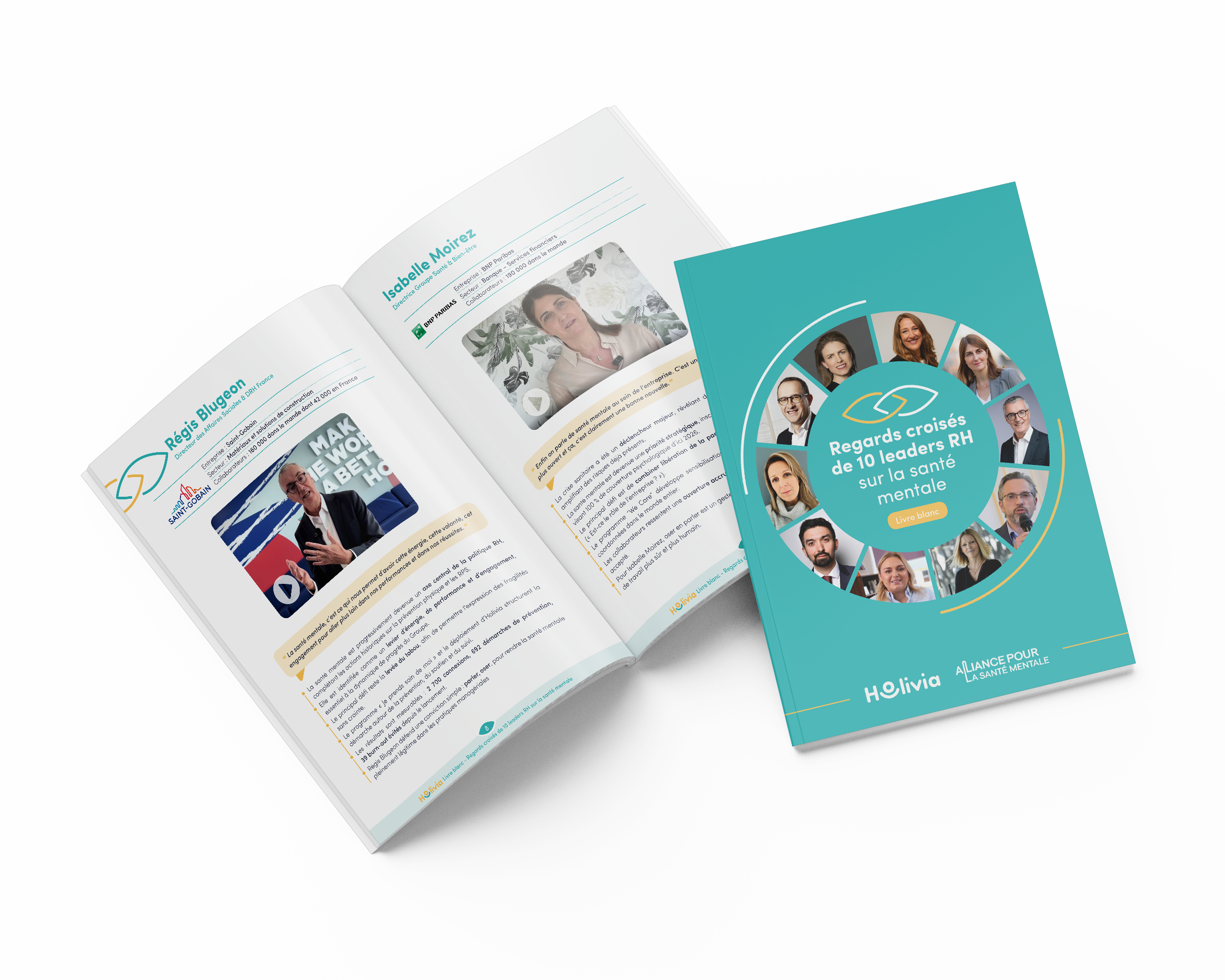
D’autres leaders RH ont partagé la transformation qu’ils portent dans leur entreprise. Découvrez les interviews menés en 2025, les dynamiques communes observées ainsi que nos recommandations d’actions dans notre dernier ouvrage : Regards croisés de 10 leaders RH sur la santé mentale.



.png)