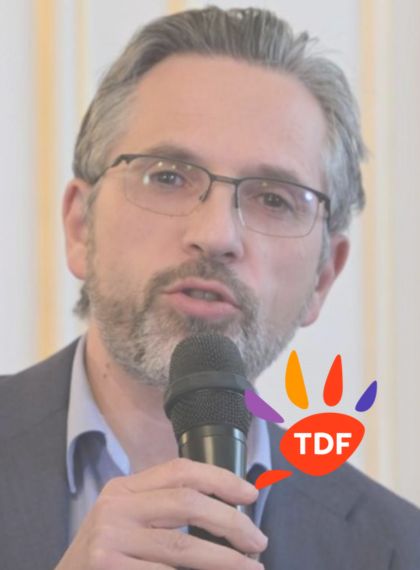
"It's important to dare to broach the subject, to open up the discussion, and to ask ourselves: how can we take action?"
My name is Christophe Maximilien. I am the Director of Human Resources at TDF. TDF is an infrastructure operator involved in audiovisual and telecommunications infrastructure.
How has the perception of mental health evolved at TDF?
It's a subject that wasn't necessarily at the forefront before. Today, we realize that it's a real lever for balance between personal and professional life.
It's also a lever for performance and well-being in the company. It's a real issue of quality of life at work.
Why is mental health a strategic issue for TDF?
Mental health today is strategic because it contributes to balance and smooth functioning, to daily efficiency within teams. It contributes to healthy interpersonal relationships.
It is also a challenge because we need to lift the veil on this subject. To lift the veil, we need to demystify, we need to train, we need to inform. It is a real challenge in terms of support.
What measures are you putting in place to raise awareness of mental health at TDF?
We have three types of concrete actions that we will implement around mental health.
First, train managers in mental health as an element of efficiency, performance, and harmony in teams.
Second, training referents: a network of mental health referents within the company, based on training mental health first aiders. This is quite innovative and we believe it can be effective in addressing this issue on a daily basis.
Finally, we are launching a trial of the Holivia solution in certain teams within the company.
What impact have these actions had on your teams and your management culture?
All these mental health initiatives aim to generate positive impacts in several areas.
First, managerial culture: integrating mental health into the way teams are managed and led contributes to a change in managerial culture.
Second, it is a very constructive topic for discussion and exchange with social partners.
Thirdly, it is a real asset in how we present the company when recruiting new talent: saying that quality of life at work is important to us, and that mental health is part of the quality of everyday work.
Finally, it is also a cultural element: it helps to improve the culture of feedback, particularly in management. All topics have the right to be addressed and must be addressed, and we can dare to address them between a manager and an employee. Mental health issues are fully integrated into this culture.
How do you feel about the growing importance of mental health in HR and management discussions at TDF?
Two words come to mind. The first is "pride." Pride, because it is completely consistent with TDF's values to put these issues at the heart of how we manage and lead our teams. It is a source of pride to see this issue take center stage today.
The second is "impact." Because we believe that performance is essential in a company, and that performance and well-being are two intertwined issues. If we want better performance, we need well-being. Everyone needs to be as fulfilled as possible. So: pride and impact.
What message would you like to convey to your peers or leaders?
The message I want to convey to other HR managers is that mental health is actually very simple. It's so simple that we don't see it and we overlook it.
I think it's important to dare to bring the subject up for debate, discussion, and conversation, and to ask ourselves: "How can we take action? How can we take concrete steps?"
What would be your motto for promoting mental health in the workplace?
One watchword: demystify.
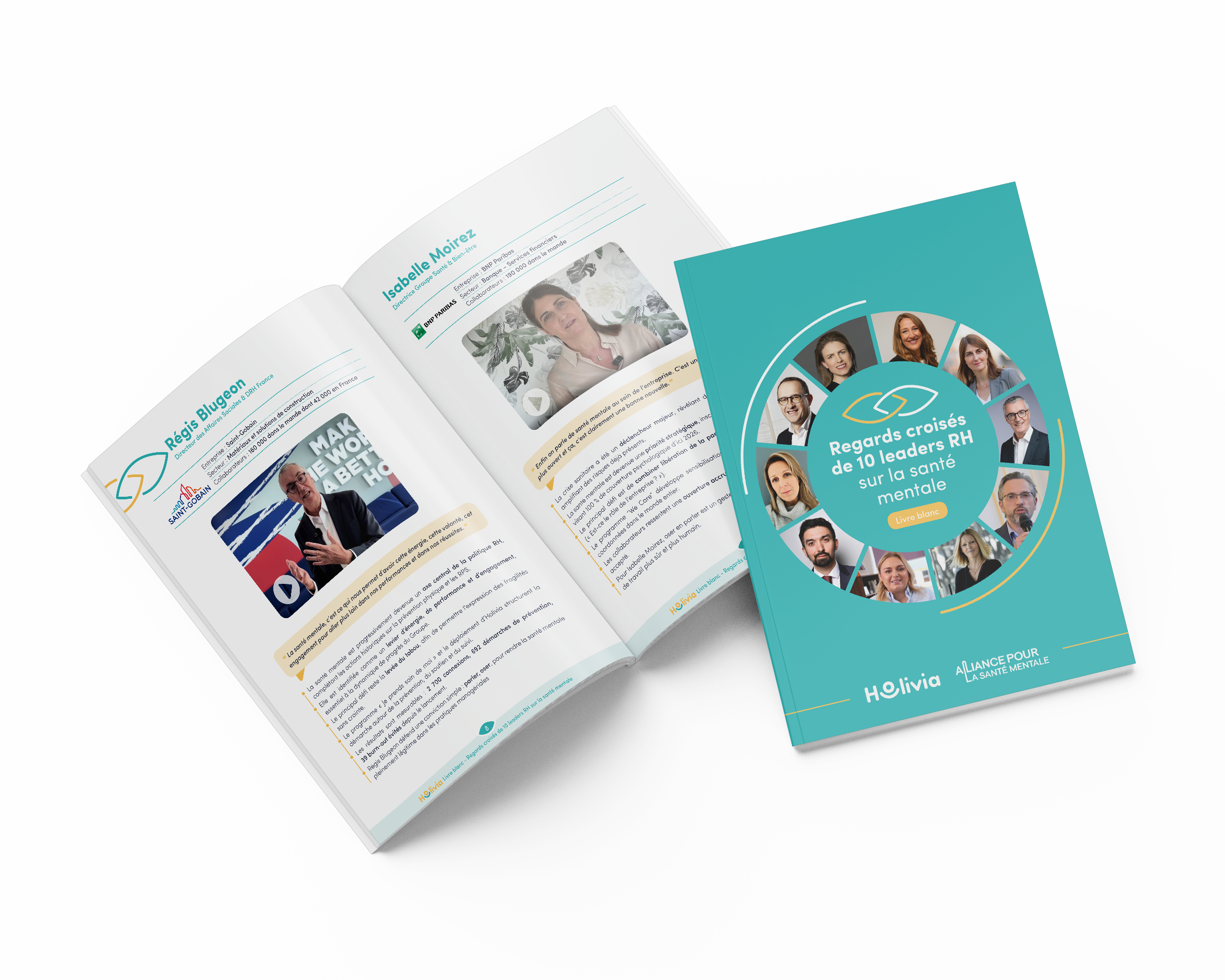
Other HR leaders shared the transformation they are bringing about in their companies. Discover the interviews conducted in 2025, the common dynamics observed, and our recommendations for action in our latest book: Perspectives from 10 HR leaders on mental health.




.png)